Tyrannosaurus was not the most dangerous animal in the park. Having imprinted on its handler since infancy, the creature maintained a docile temperament all the way to adulthood, and indeed seemed to prefer feeding from its designated trough to pursuing prey. Its interactions with staff and guests showed at most a mild curiosity, and the only real terror the beast inspired was when it snuck up on trainers to sniff their hats.
The raptors were not the most dangerous animals in the park. Hollywood had greatly exaggerated their size, first of all, and while they had a mischievous streak (one individual in particular was fond of stealin zookeepers’ wallets), they were far from the hyper-intelligent murder lizards everyone expected. Their intelligence was less of the predatory sort and more the comical intelligence of a corvid, devoted mostly to play and caring for their fellow flock members.
The mosasaur was not the most dangerous animal in the park. Though it held no loyalty to the zookeepers, it had taken to training well enough, and would dutifully move to a specific section of the tank when signaled, giving the keepers space to carry out any business they needed to accomplish in its tank without fear of harm.
No, by far the most dangerous animal in the park was the Struthiomimus. Everyone expected it to be easy – what were these animals in pop culture beyond being fodder for the carnivores? Surely the bird-mimics couldn’t be much of a hassle. Sadly, they weren’t just any bird mimics.
No, in temperament, the Struthiomimus mimicked a swan.
Highly territorial and vicious to the bone, more keepers had suffering brutal beatings by the struthis than had been hurt by the rest of the park’s fauna combined. And when they learned to chew through the fences…
Well, let’s just say the Tyrannosaurus never experienced a more terrifying day in her life.
Prehistoric women had super strength.
Studies of their bones show they had
extremely strong arms due to a lifetime
of rigorous manual labor. They had
greater arm strength than even
top-end modern athletes. SourceSource 2Source 3
Barn Owls are THE BEST. They are in a separate family from all other North American owls, and instead of whoo hoooting they do the TV STATIC SCREAM FROM YOUR NIGHTMARES.
Gotta love the raptor presentations at the state parks! This was at Lockhart State Park tonight at our Master Naturalist meeting. These presenters rehabilitate injured birds of prey through Austin Wildlife Rescue (austinwildliferescue.org), an organization that always NEEDS VOLUNTEERS to help out with the adorable baby animals. If you’re in Central Texas, check them out!
June 18, 2018
The barn owls are members of the family “tytonidae” while every other owl species is a member of the “strigadae” family.
While we typically think of owls like the one in the original post as being barn owls, every species in the family can technically be considered a barn owl.
This includes the various species of masked owls which are relatively similar to your common barn owl
As well as both varieties of sooty owl which are strikingly different than the common barn owl
There are also the grass owls which are behaviorally different than other barn owls in their habits of living on the ground rather than trees
And the two odd tytos out, the red owl and ashy faced owl respectively. Scientists know almost nothing about the former and no individuals have been kept in captivity despite being discovered quite some time ago. Even photographs of it are rare, but it appears to be an orange barn owl with a pink face.
Structurally speaking, barn owls actually have very few traits in common with strigadae owls as their face and beak shapes and proportions are entirely different. There are also differences in their legs and talons, while their similarities are limited to feather composition, ear placement, spinal structure, and binocular vision among a few other internal components.
That being said, barn owls are far from the only family of non-hooting owls as hooting is almost exclusive to larger species, typically genus Strix or bubo. Many other species will trill, screech, and/or hiss.
Barn owls are rather unique in having an incredibly keen sense of hearing, even in comparison to other owls. They can hear and discern between different heartbeats and triangulate the sound perfectly due to their satellite dish-like face shape.
In addition, this barn owl is not actually Tyto alba, it’s a Tyto furcuta, T. alba is the species native to Western Europe while T. furcuta is native to North America.
Many thanks for this owlditional quality content. I give three screams of approval 👍
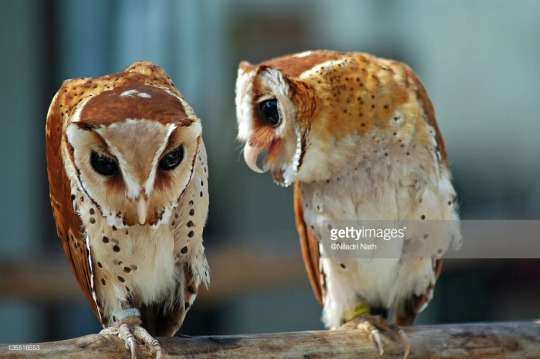
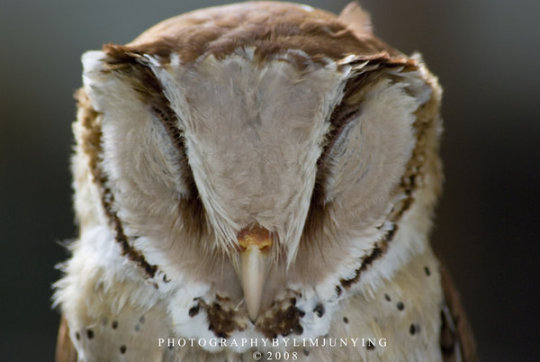
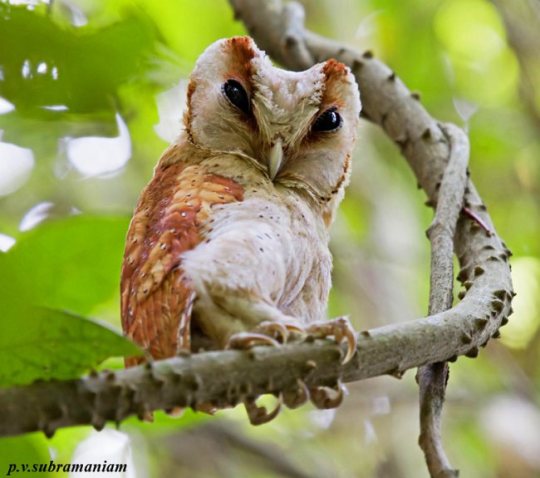
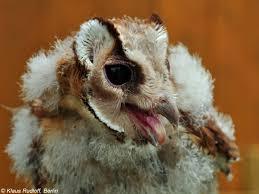
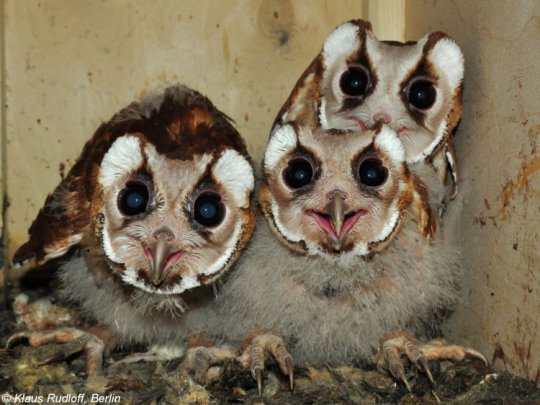
bay owls (genus Phodilus) are in Tytonidae and they are some of my favorite owls of all time. they can be found in Southeast Asia, and some sites claim central Africa as well but I’m not sure?
they can shut their eyes and look eyeless
OR OPEN THEIR EYES WIDE THIS AND LOOK LIKE DEMONS
did I mention they have the best judgemental faces because of their eye positioning
and babies look like tiny demonic gryphons
last I went looking, not a lot is known about bay owl behavior aside from general Tyto habits. I just know they’re so out there appearance-wise and I love them so much for it.
I’ve been on Tumblr long enough that I’m like 90 percent sure there are people still following me from the 2013-2014 boom days who’ve just changed their icons and their blog focus and their url and now I only have the general sensation that I know them for? reasons??? but no idea why





 Asknotbug's Tumblr Backup